BROTHERHOOD OF SURVIVAL
Recognizing the survivors our systems were never built to see.
A continuing-education talk on male survivors of intimate partner violence, for the professionals who meet them first and most often miss them.
60 TO 120 MINUTES · MCLE RECOGNITION AND ELIMINATION OF BIAS, CREDIT THROUGH THE HOSTING PROVIDER
A community, and a case to carry into professional rooms.
ABOUT THE INITIATIVE
Brotherhood of Survival is a community of men who have survived domestic violence, formed to advocate for one another and aid each other’s recovery. This talk carries that experience to the people whose decisions shape what happens next, turning what these men learned the hard way into practical change in how lawyers, clinicians, physicians, clergy, and caseworkers serve them.
“What I know, I learned twice. Once in training. Once at home.”
THE TALK
What It Means to Survive Intimate Partner Violence, as a Man
A 60- to 120-minute talk built around the MCLE Recognition and Elimination of Bias category. It adapts by audience, with a tailored practice module for each profession.
It uses male survivors as a lens on a wider problem: the assumptions inside intake questions, credibility judgments, and protective-order decisions can miss anyone who does not fit a system’s default. Naming that pattern is the bias-elimination work these professions are asked to do.
Grounded in current California statute, including Evidence Code §1037.1, Family Code §6320, and Penal Code §836.
What you will leave seeing differently
Why male survivors disappear inside the systems built to help them.
How bias shapes a credibility judgment before a word is spoken.
Why screening built around the default victim misses the people most at risk.
Why closing that blind spot makes screening better for everyone it touches.
Every engagement includes a take home field guide for participants.
WHY THIS MATTERS
Where this shows up in your work
Male survivorship surfaces at the exact decision points your work turns on:
Intake and screening, where the wrong questions screen him out before he is seen.
Credibility, where bias decides who is believed before anyone has spoken.
Protective orders, where a front-line call under Fam. Code §6320 decides who gets protection, and whether coercive control counts as abuse.
Documentation, where the record either holds against a counter-narrative, or post-separation legal abuse rewrites it.
The bias-credit requirement, met with substance rather than a checkbox.
ABOUT THE SPEAKER
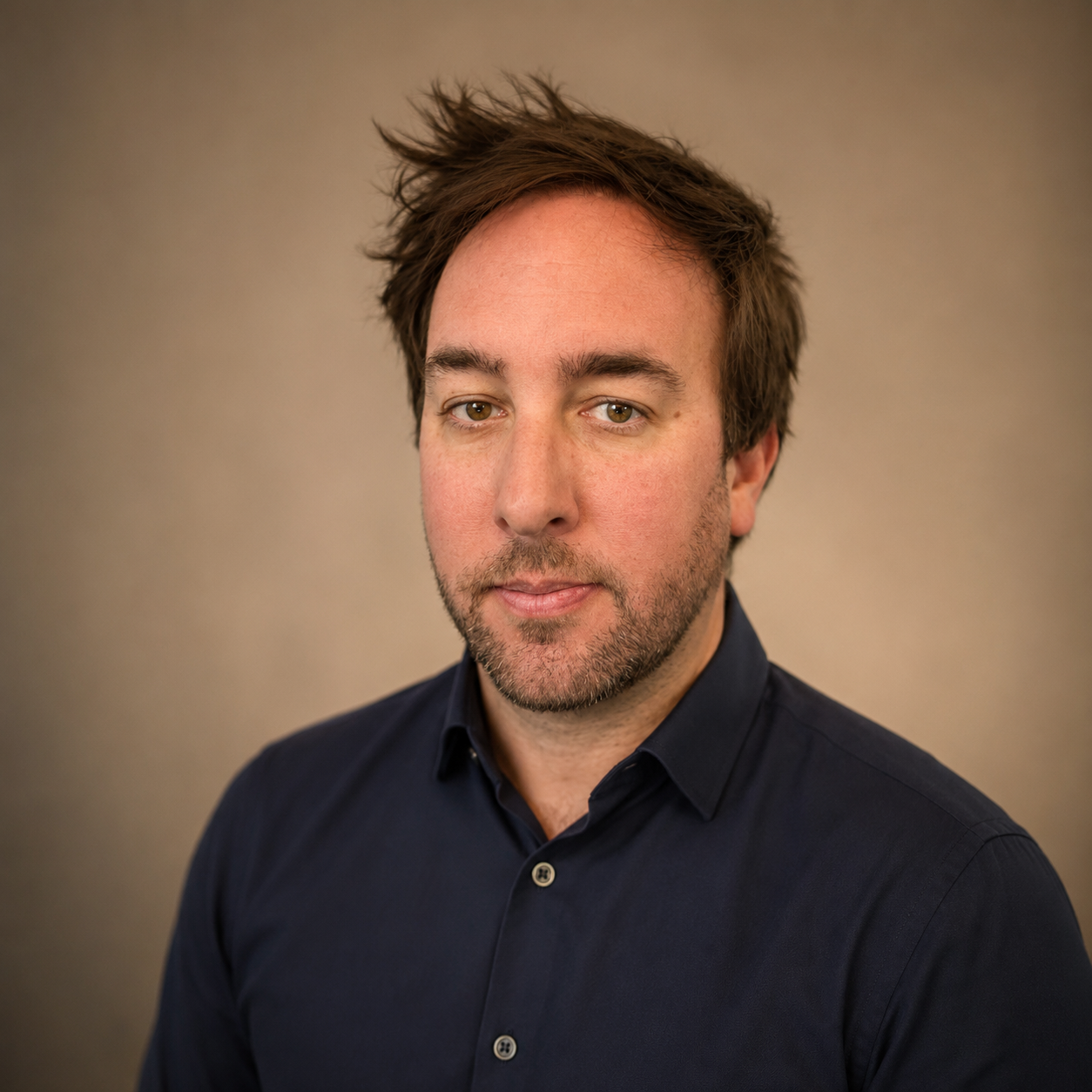
Survivor of intimate partner violence
Advocate, certified domestic violence counselor (Cal. Evid. Code §1037.1), Rainbow Services, trauma-informed care
Facilitator, Next Door Solutions Male Survivor Support Group
Speaker, continuing-education talk for legal, medical, clinical, pastoral, and government audiences
Instructor, Full Sail University (former)
Executive, 20+ years in global gaming
Education, B.A. Yale University; MBA, Loyola Marymount University
Casey Kuczik is a survivor of intimate partner violence, a certified domestic violence counselor (Cal. Evid. Code 1037.1) trained through Rainbow Services, and facilitator of the Male Survivor Support Group at Next Door Solutions to Domestic Violence in San Jose. He is the founder of Brotherhood of Survival, which delivers bias and cultural-competence training to legal and clinical audiences. He teaches from the published record and the lessons of that facilitation practice, with his own case in the room only where it teaches. Before this work he spent twenty years leading product strategy in the games industry and taught at Full Sail University. B.A., Yale; MBA, Loyola Marymount. He lives in Los Angeles, where he is raising his son.
CONTACT
Book the Talk
If your team meets male survivors first, let's start the conversation.
Or email directly: contact@brotherhoodofsurvival.org
A note on safety:
Internet and device activity can be tracked, and it cannot be fully erased. If you are worried someone is watching this device, use a safer one, such as a computer at a public library or a trusted friend’s phone.
To leave this page fast, use the Quick Exit button in yellow below.
If you’re a man being hurt by your partner, or you’re not sure
Most men never call it abuse.
If you walk on eggshells, feel afraid or controlled in your own home, find yourself cut off from people you love, or are blamed and belittled until you doubt your own memory, that counts.
This is for you. You are not alone, and you are welcome here. You do not have to earn your way in by how bad it got.
In an emergency, call 911. To talk with someone now, the National Domestic Violence Hotline is free, confidential, and available 24/7: 1-800-799-7233 · thehotline.org
To sit with other men who have been through it: the Next Door Solutions Male Survivor Support Group in San Jose (408-279-2962 · nextdoorsolutions.org), or the Rainbow Resilience Foundation (rainbowresiliencefoundation.org), which runs peer groups for male survivors, online and in person, nationwide.
To find a local program that serves men, search DomesticShelters.org.